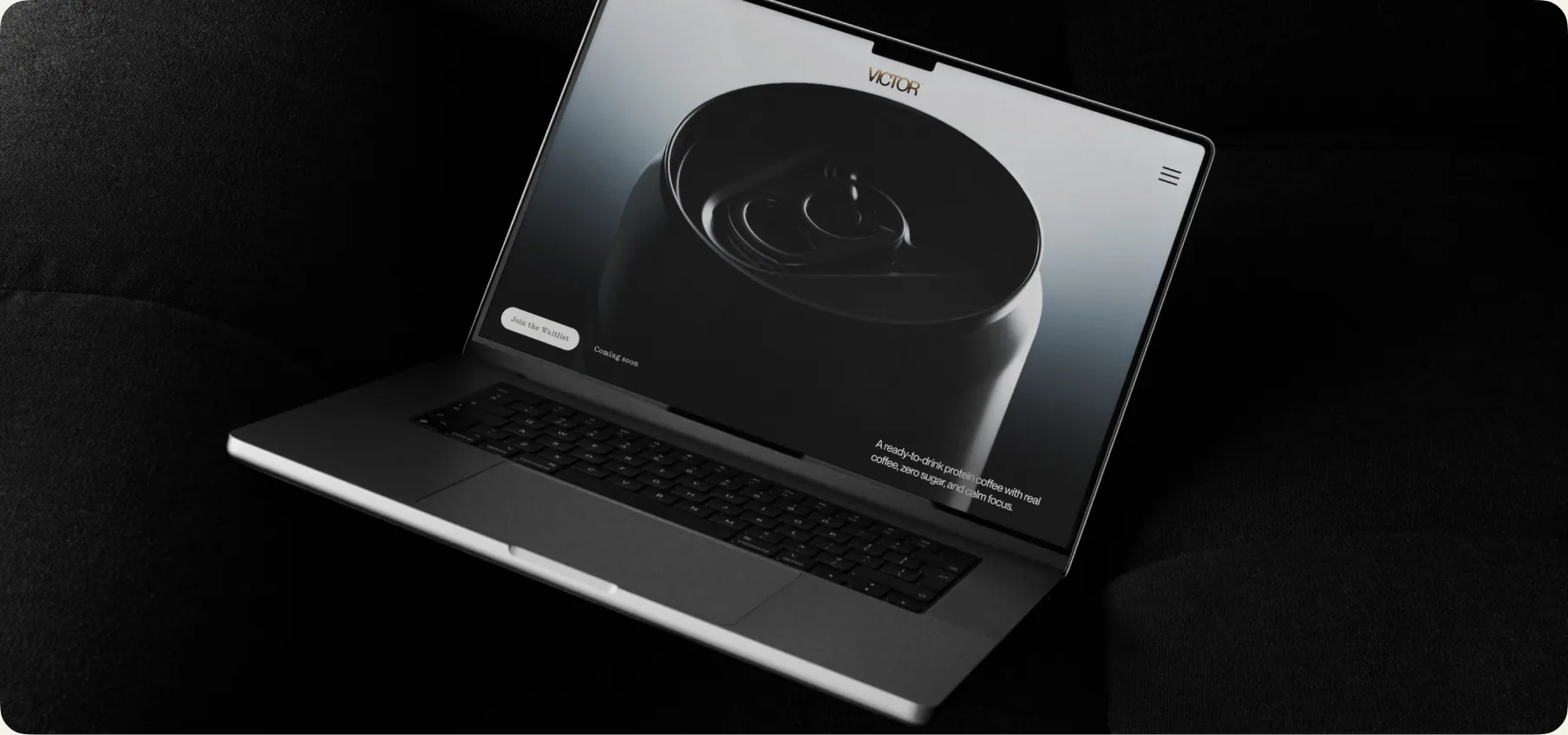
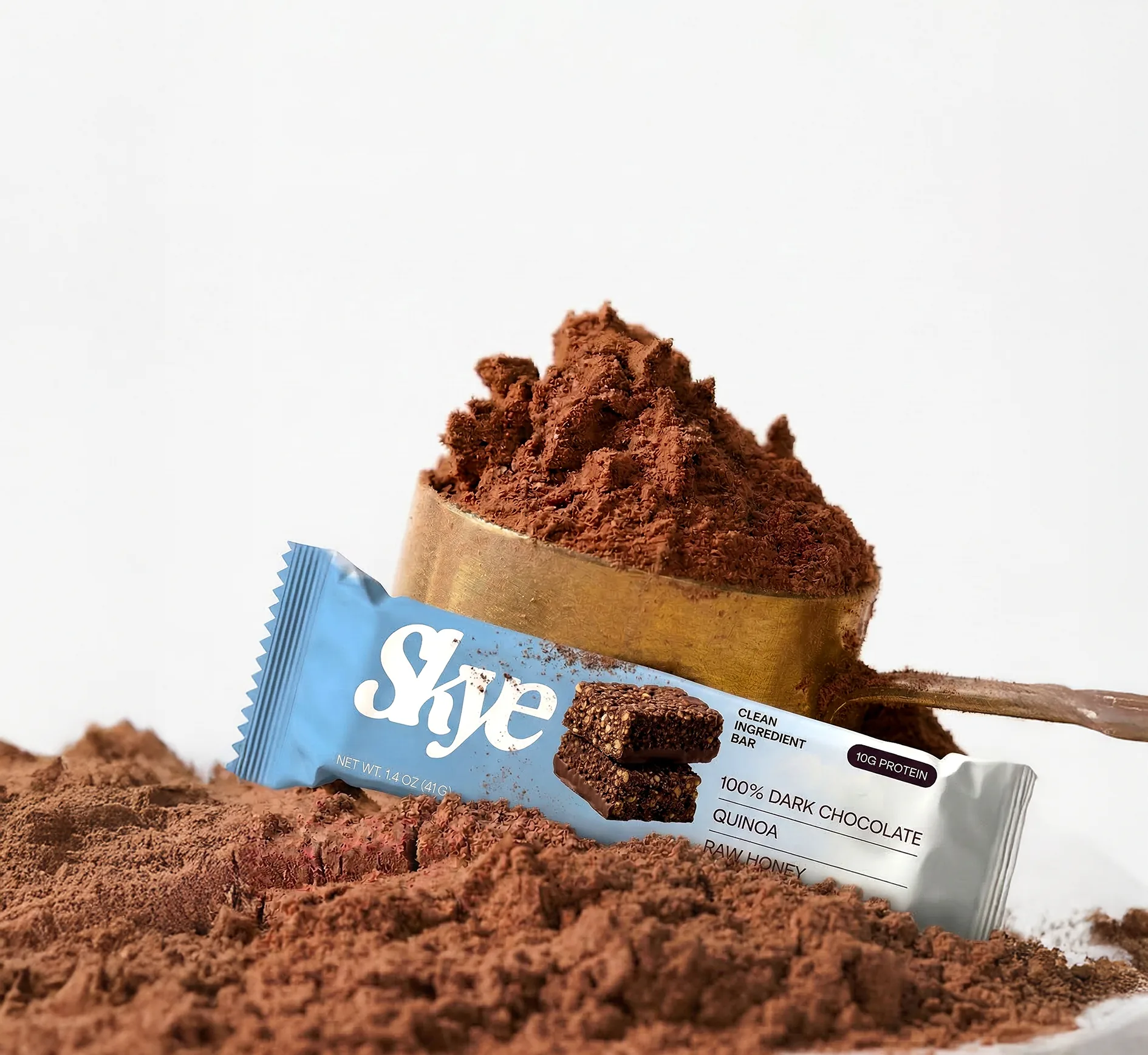
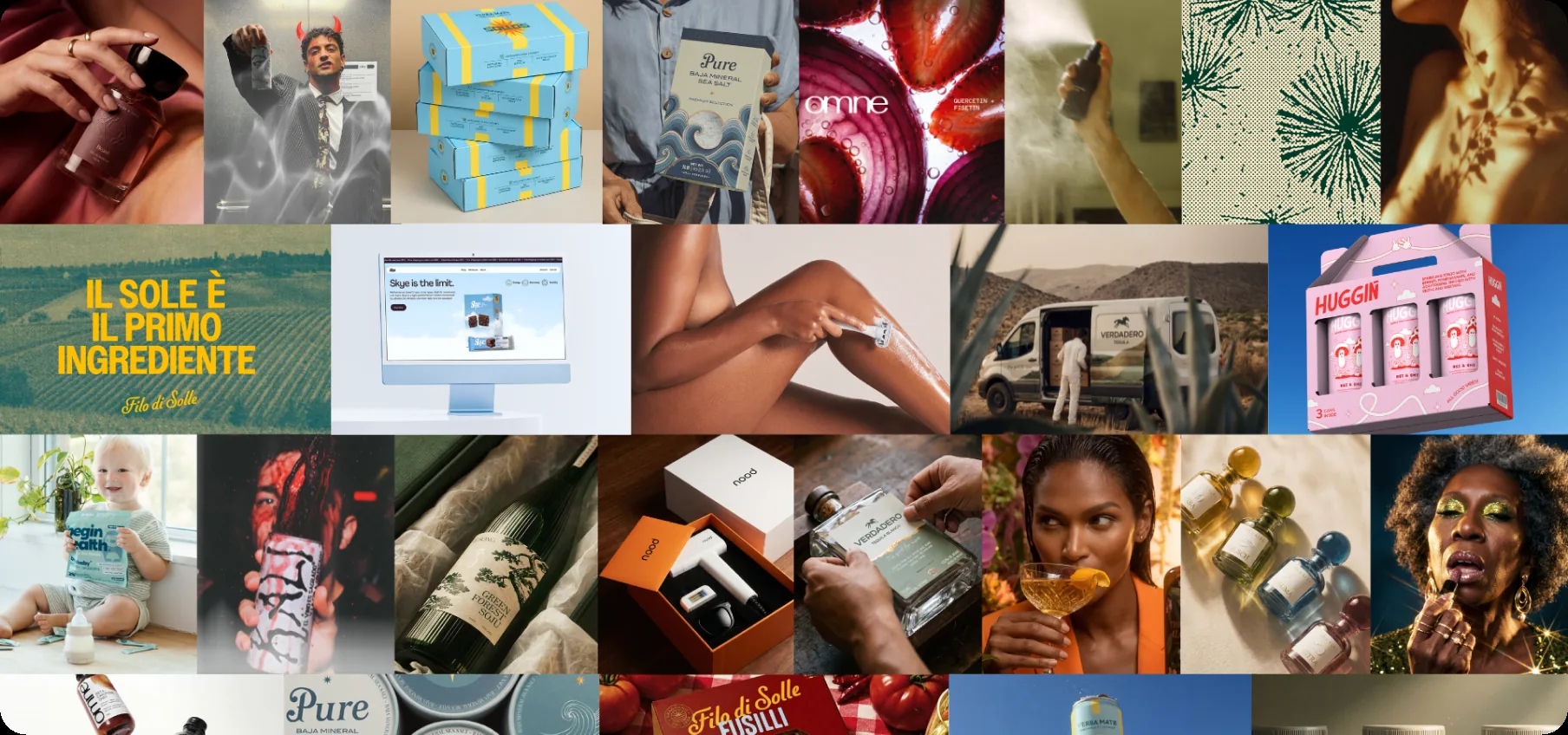
Brand consistency is level one.
Here's what actually grows a brand.
By Palu ·
When most CPG founders look for a designer, they ask for the same thing: someone who can stay on brand. Someone who can replicate the visual identity across every touchpoint. Same colors, same fonts, same feel, every time.
That's not wrong. But it's not enough.
Consistency is level one. It's the given. If you're working with a senior designer and things still feel off-brand across touchpoints, that's a baseline problem. The harder question, the one that actually determines whether your brand grows or stalls, is different: how do we expand this brand without breaking it?
The Repetition Trap.
Here's what happens when one designer works on one brand for too long. They get good at it. Really good. They know the system, they know the color palette, they know the layouts that work. And then slowly, without anyone noticing, everything starts to look the same.
The same compositional choices. The same hierarchy. The same textures showing up on every new deliverable. Not because they're lazy, but because when you're deep inside a brand every day, your instincts narrow. You reach for what worked last time. The brand stops evolving and starts repeating.
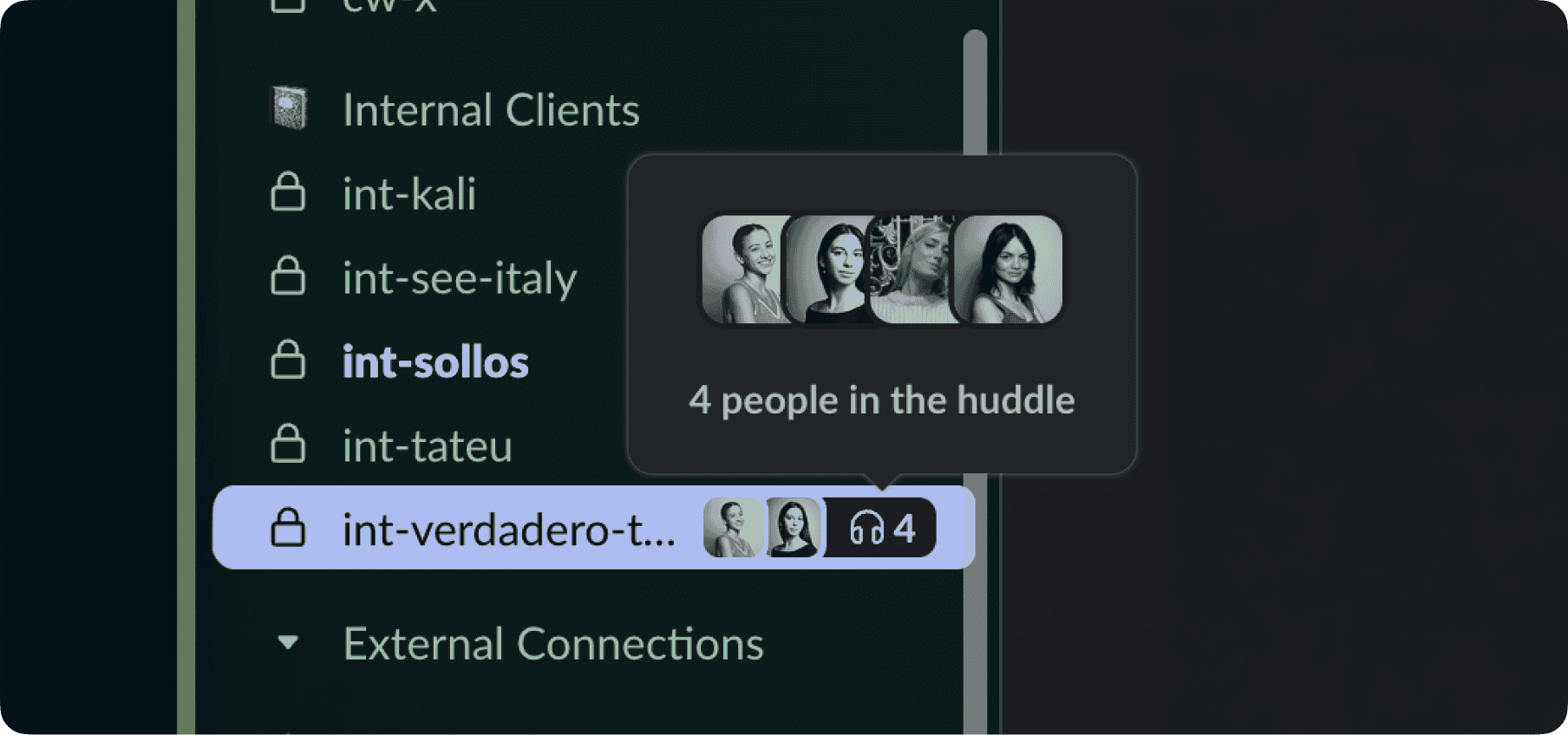
We hit this exact wall with Verdadero Tequila. We'd been working with them for a while and at some point we stopped and realized we needed to have a full team workshop. Not about execution. About direction. Where is this brand going? Because we'd gotten so good at working within the system that we'd stopped pushing it forward. That workshop changed how we approach every long-term client relationship.
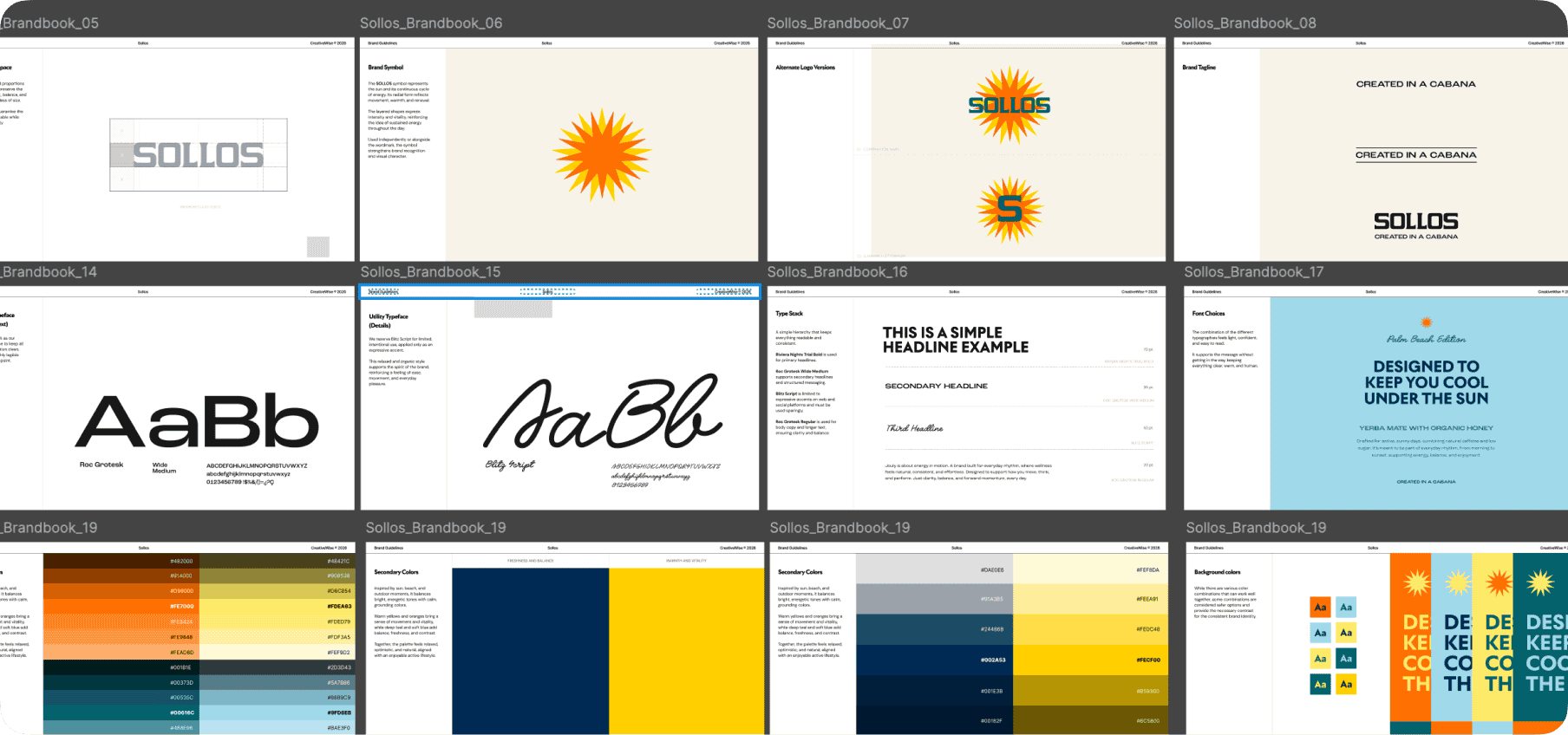
It happened again with Sollos, a yerba mate drink. The client wanted fresh design explorations from scratch, and we realized Carla, who'd been leading the project for weeks, was too deep in it. She wasn't doing anything wrong. She was executing beautifully. But after weeks inside the same brand, her instincts had narrowed to the territory she'd already explored. We rotated another designer in, and the new directions that came out of that switch were things nobody on the team would have reached otherwise.
What Level Two Looks Like.
Level two isn't about ignoring the brand guidelines. The foundation matters. The color palette, the typography, the visual language, all of that is the floor, not the ceiling.
Level two is asking: how does this brand translate into a texture it hasn't lived in yet? How does it move from digital to physical, or from packaging to an event space, or from a product label to a lifestyle campaign? What happens when we push the photography direction somewhere unexpected? What does this brand look like when it's confident enough to surprise people?
That's expansion. And it requires something most studio setups aren't built for: multiple creative perspectives on the same brand.
Why We Rotate Designers.
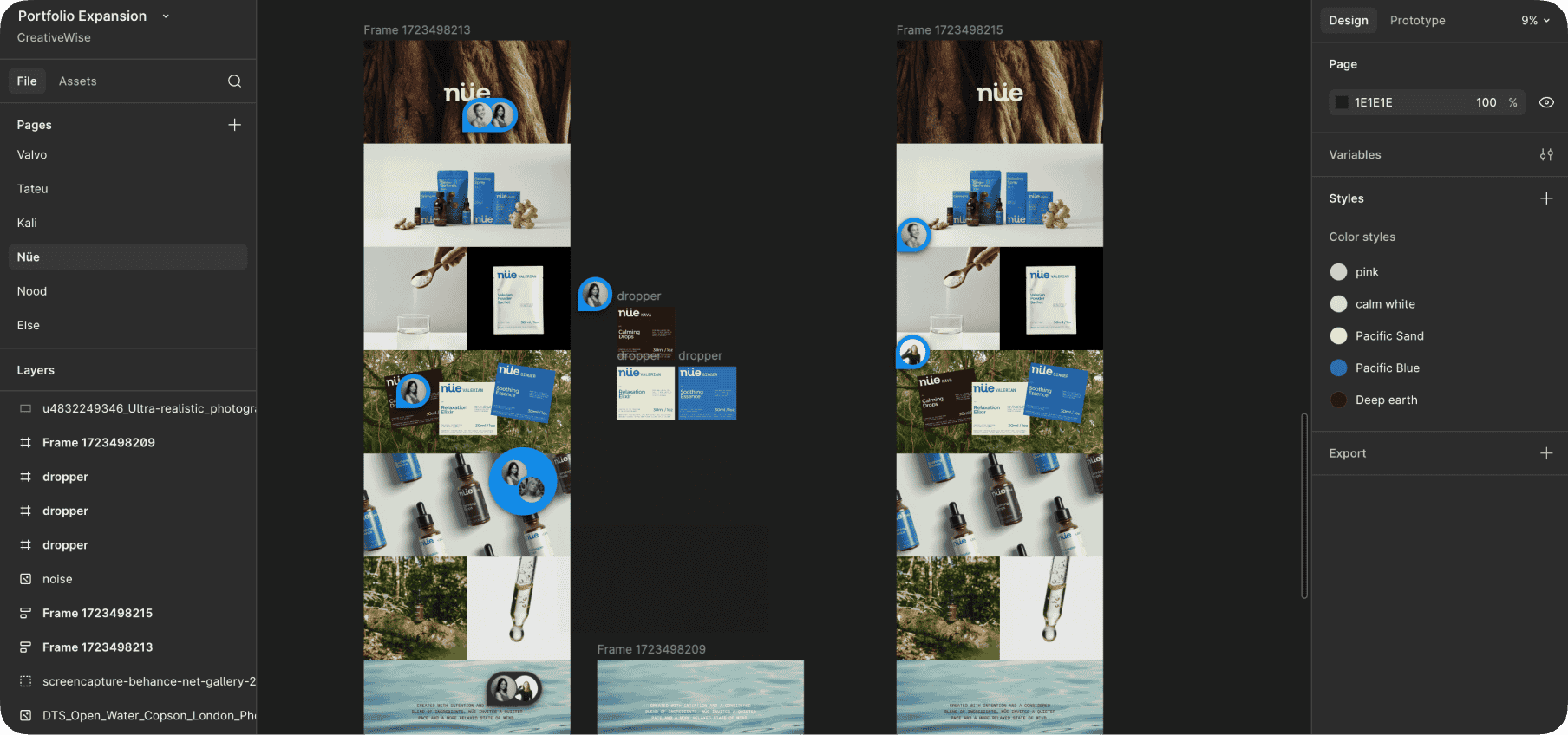
At CW, we don't assign one designer to one client permanently. We rotate. Every project gets fresh eyes. Every brand gets the benefit of a different creative brain interpreting the system.
This isn't chaos. It works because every designer on the team is senior enough to execute at the highest level within any brand system we've built. The foundation holds no matter who's working on it. That's level one, and it's solved. What changes is the creative instinct each person brings. One designer might push a layout direction nobody else considered. Another might interpret the brand's texture palette in a way that opens up a whole new visual territory.
We also make sure the full team has eyes on every project, even if it's just five or ten minutes to give feedback. Not to police consistency. To offer a fresh perspective. To ask “have we tried this?” before the work settles into a pattern.
For the designers, it's better too. Working on the same brand nonstop is creatively draining. Rotating keeps the energy up and the ideas sharper. Everybody wins.
The Brand Guidelines Ceiling.
This is the part that's hard to say out loud because brand guidelines are supposed to be sacred. But guidelines, as most studios deliver them, are a ceiling disguised as a foundation.
They tell you what the brand looks like today. They don't tell you where it can go. They define the safe zone but they don't map the growth territory. A brand that only follows its guidelines perfectly will look exactly the same in two years as it does now. For a CPG brand adding SKUs, entering retail, launching campaigns, and building a presence across new channels, “exactly the same” is a problem.
The brands we admire, the ones that feel alive on shelves and screens, aren't just consistent. They're expanding. Every new touchpoint adds something to the brand world without losing the thread. That's the work. And it's a lot harder than replicating a color palette.
What This Means for Founders.
If you're evaluating a design partner, consistency is the first question. Can they stay on brand? Can they execute within the system? If the answer is no, keep looking.
But if the answer is yes, ask the second question: can they grow the brand? Can they push it into new territory without breaking it? Do they have a process for keeping the work fresh across months or years of collaboration?
Because the brands that win long-term aren't the ones that look the same everywhere. They're the ones that feel like the same brand everywhere, even when they're doing something you haven't seen from them before.
That's the difference between consistency and expansion. And expansion is where the real value lives.
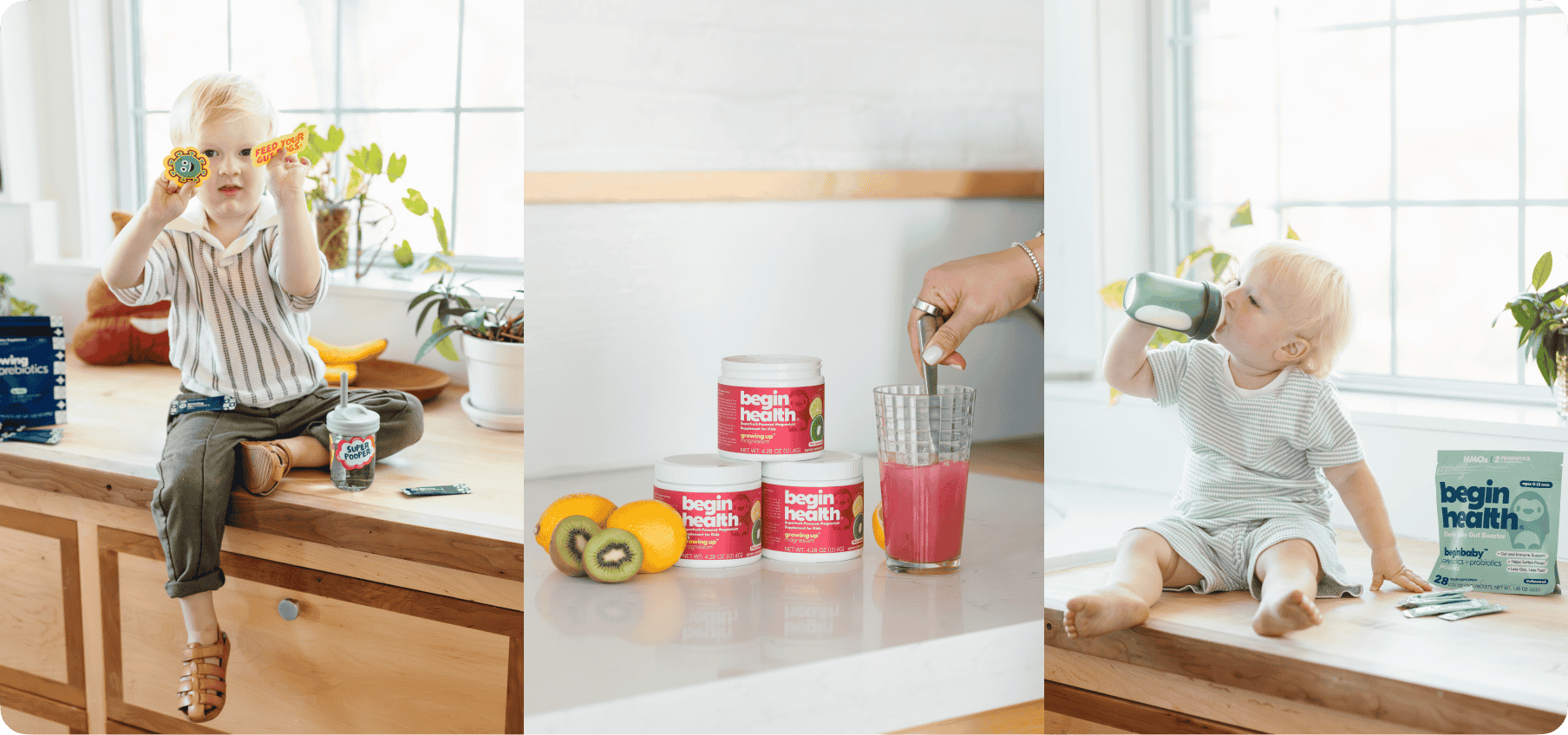
CreativeWise is a packaging and brand design studio for CPG brands. We build brand worlds, packaging systems, and AI-generated lifestyle imagery for brands scaling from 3 to 30+ SKUs.