Why we let our designers
design whatever they want
By Palu, Founder & Creative Director ·
There are two versions of every designer at a design studio like ours. One works within brand guidelines, follows client feedback, and executes at the highest level within a system someone else defined. That version is what clients see. It's essential. It's the job.
The other version designs what they would design if nobody was watching. No brief. No feedback rounds. No brand guidelines. Just an idea they've been sitting on and the freedom to see where it goes.
Both versions need to exist for either one to be good.

Working Within a System Is One Skill. Creating From Scratch Is Another.
Most studio work lives inside constraints. A client has a business. The business has goals that are achieved through positioning and a visual language. The designer's job is to work within that system and push it forward without breaking it. That takes real skill and we take it seriously.
But there's a different muscle that only gets trained when the constraints disappear. When a designer gets to choose the palette, define the product, set the mood, build the world from nothing, for fun. That's where creative instinct develops. That's where a designer figures out what they're actually capable of, not just what they can execute within a defined system.
If you never let that muscle work, the designer who shows up to your brand project is operating at maybe 70% of what they could bring. They can execute. They can be consistent. But the ideas get smaller over time because the space to think big only exists inside client work, where the stakes are real and the room to fail is narrow.

How Free Exploration Shows Up in Client Work.
Every designer keeps personal mood boards of aesthetics they'd love to design for. Styles, textures, industries, visual worlds that excite them. That's just how designers work. The difference is whether they ever get to actually touch those boards or they just sit there collecting inspiration that never goes anywhere.
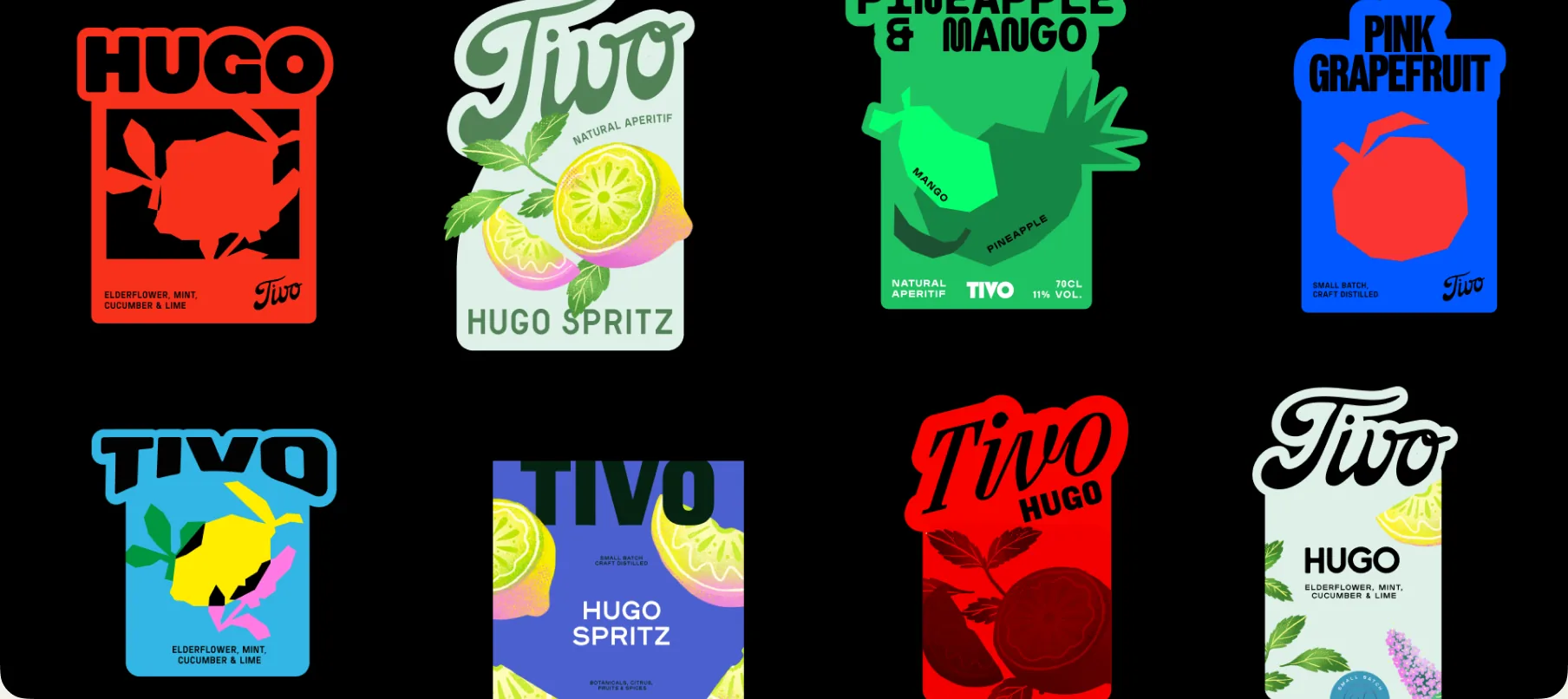
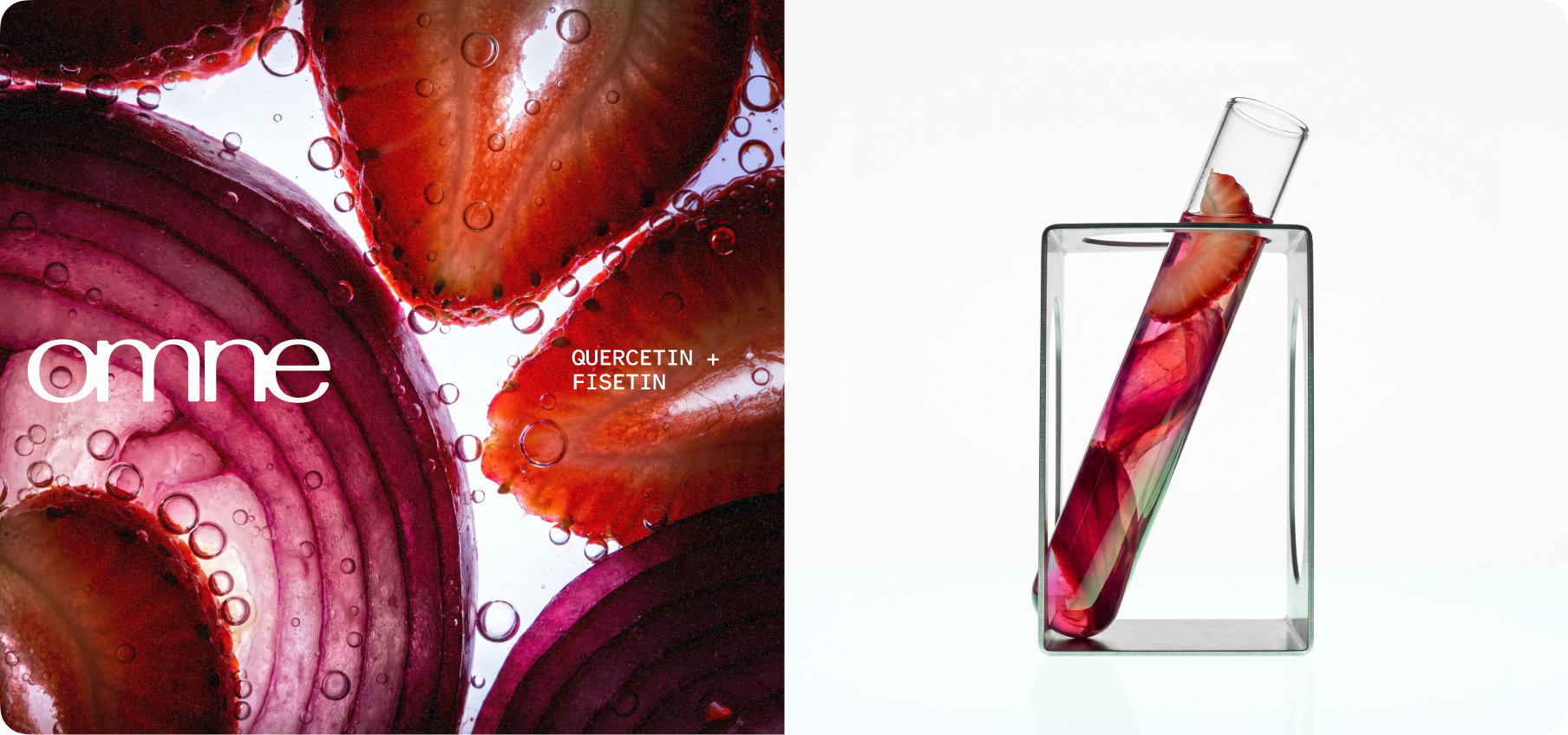
At CW, we try to make space for them to pick something from those boards and actually design it. Not as a side project they squeeze in after hours. As part of how the studio works. They get into a flow state and just create something they want to create. No client. No brief. Only feedback from the team.
What comes out of those sessions is sometimes wild and sometimes quiet and always interesting. But the real value isn't the output. It's what happens to the designer after. They come back to client work with a wider vocabulary. They've solved problems they chose to solve, which means the next time a client problem shows up, they have more tools to reach for.
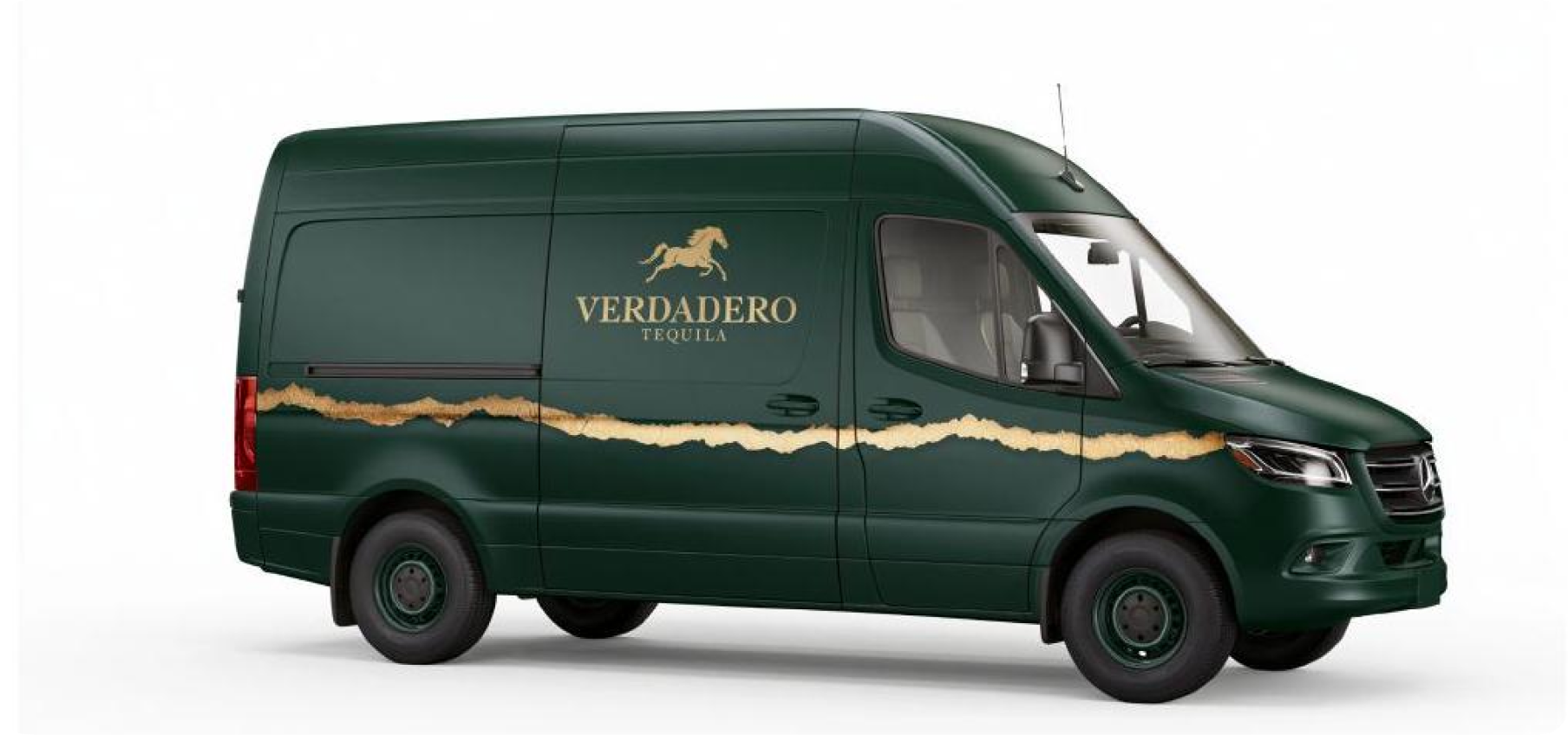
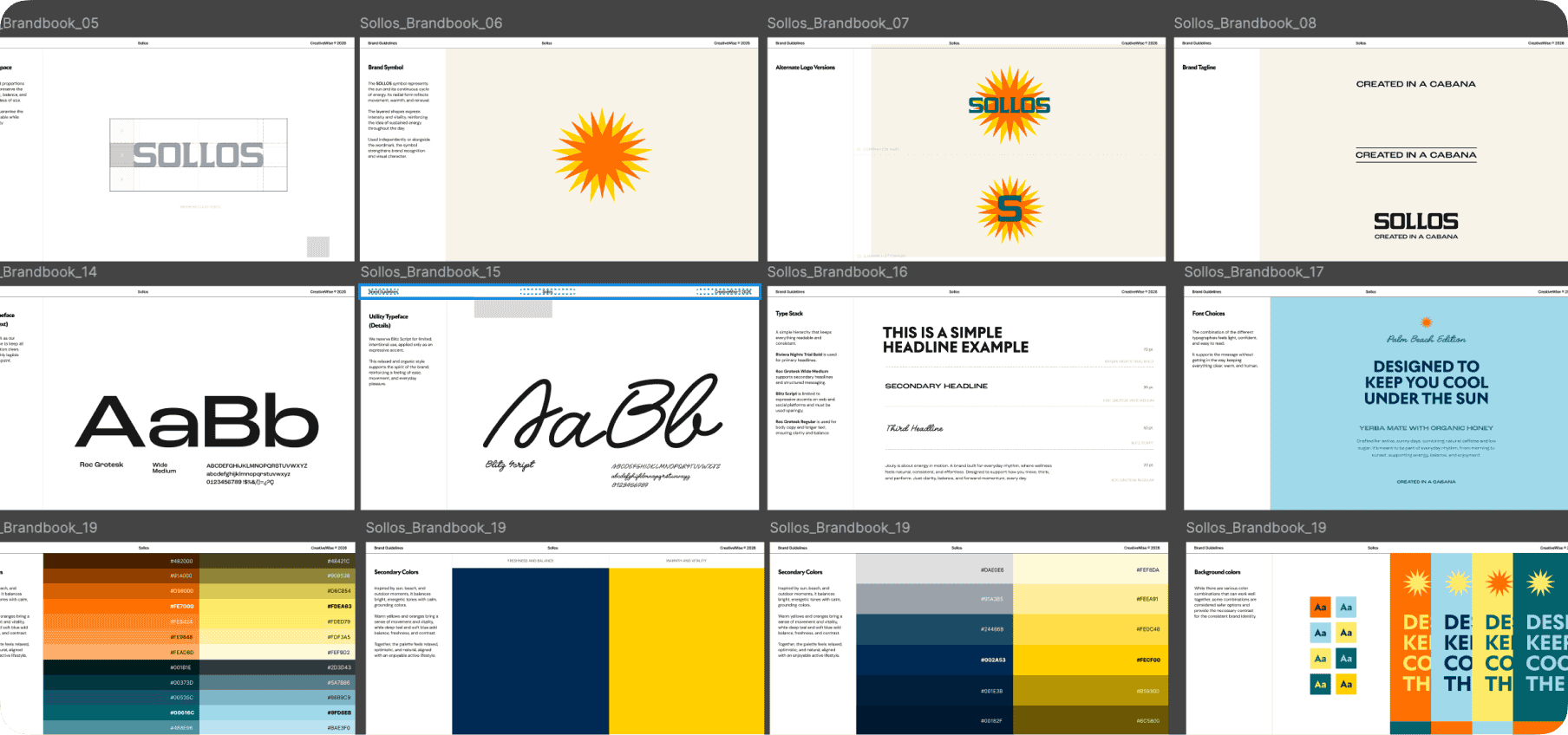
Carla might spend time exploring a visual direction for a category we've never touched. Joy might create AI images for a nonexistent brand purely because she wants to. Agus might build out a brand concept from scratch just to see how far she can push a vibe. And when they come back to Verdadero or Skye or any other project, that exploration shows up in ways that are hard to trace but impossible to miss.
Why Creative Freedom Makes Better Designers.
This isn't only a business argument. Designers are people who chose this career because they love making things. If the only things they ever make are things someone else asked for, the part of them that fell in love with design in the first place starts to miss something.
Letting designers design what they want to design every now and then is how you keep that spark alive. It's career development that doesn't look like a workshop or a course. It's the designer teaching themselves what they can do by actually doing it. And that's a kind of growth no amount of client feedback can replace.
We think the studios that get this right are the ones that produce the best work. Not because free exploration is more important than client work. Because the two feed each other. And if you only invest in one, both suffer.
CreativeWise is a design studio for consumer brands. We build brand worlds, packaging, and campaigns with designers who never stopped exploring what they're capable of.